What to Wear to a Job Interview
Dress for an interview so your clothes work for you, not against you. How to read the company, what to wear for men and women, and the mistakes that cost you the room.
An interview outfit has one job: to get out of the way. You want the interviewer thinking about your answers, not your clothes, which means looking polished, prepared, and appropriate for their world, not a generic idea of “smart.” Get it right and you stop thinking about what you’re wearing the moment you sit down.
Research before you dress
The single most useful thing you can do is find out how people at the company actually dress. A law firm and a design studio both want you to look like you belong, but “belonging” looks completely different in each. Check the company’s photos, its industry norms, and (if you can) ask the recruiter. Then dress one notch above the daily baseline.
What to wear
Men
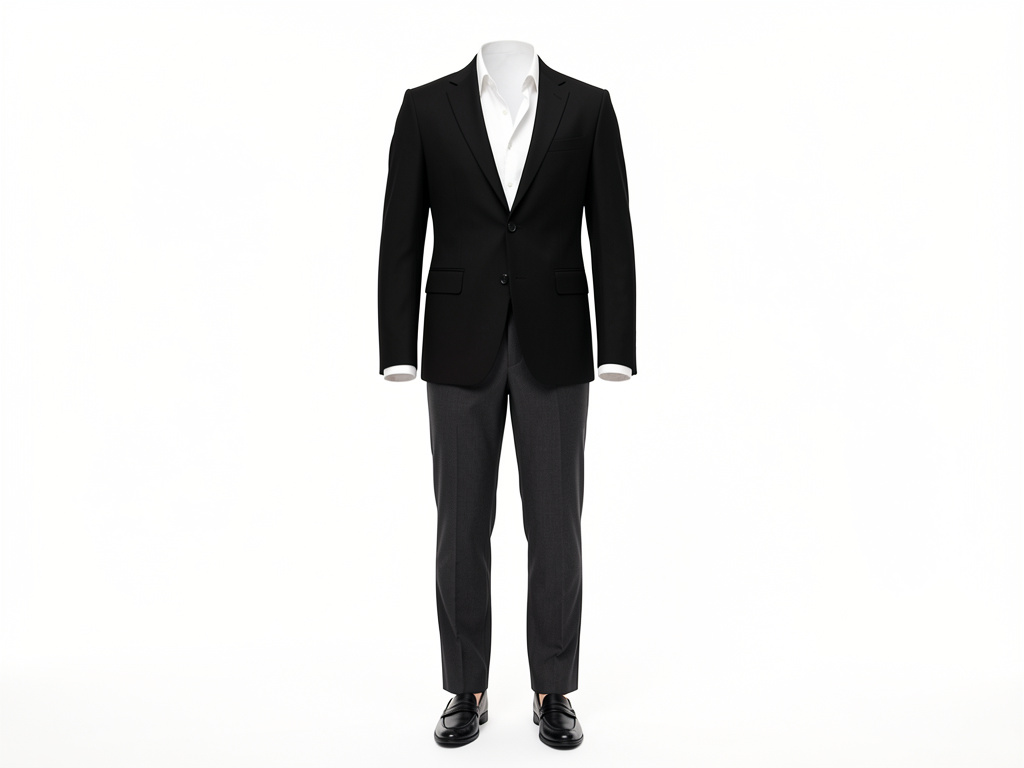
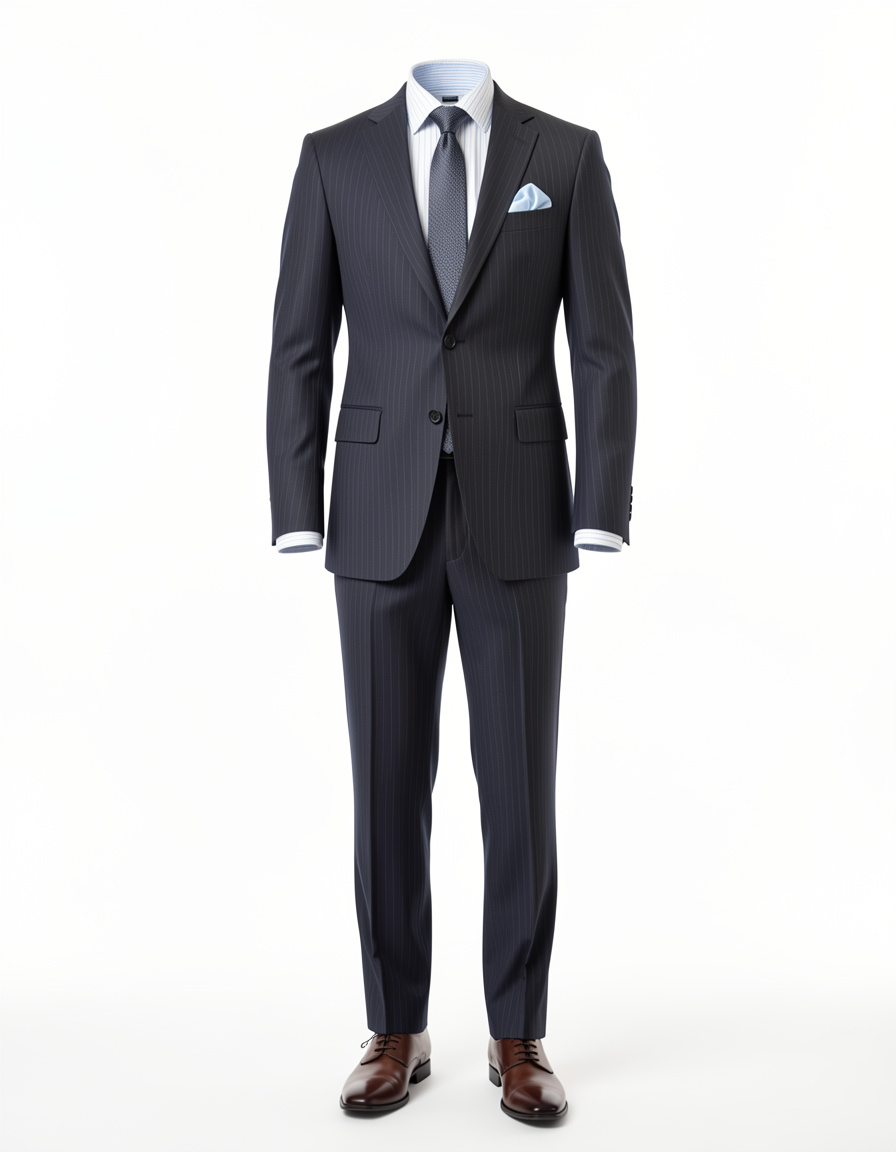
- Formal industries (law, finance, consulting): a well-fitted suit in navy or charcoal, a white or pale blue shirt, an understated tie, and polished leather shoes. This is business professional territory.
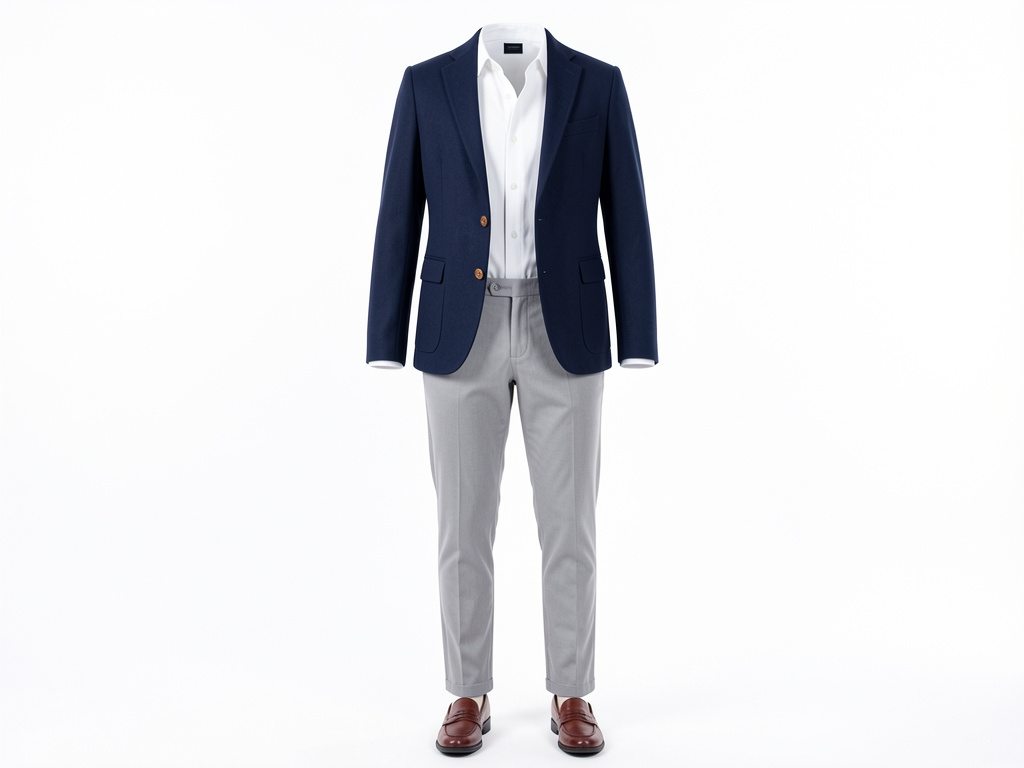
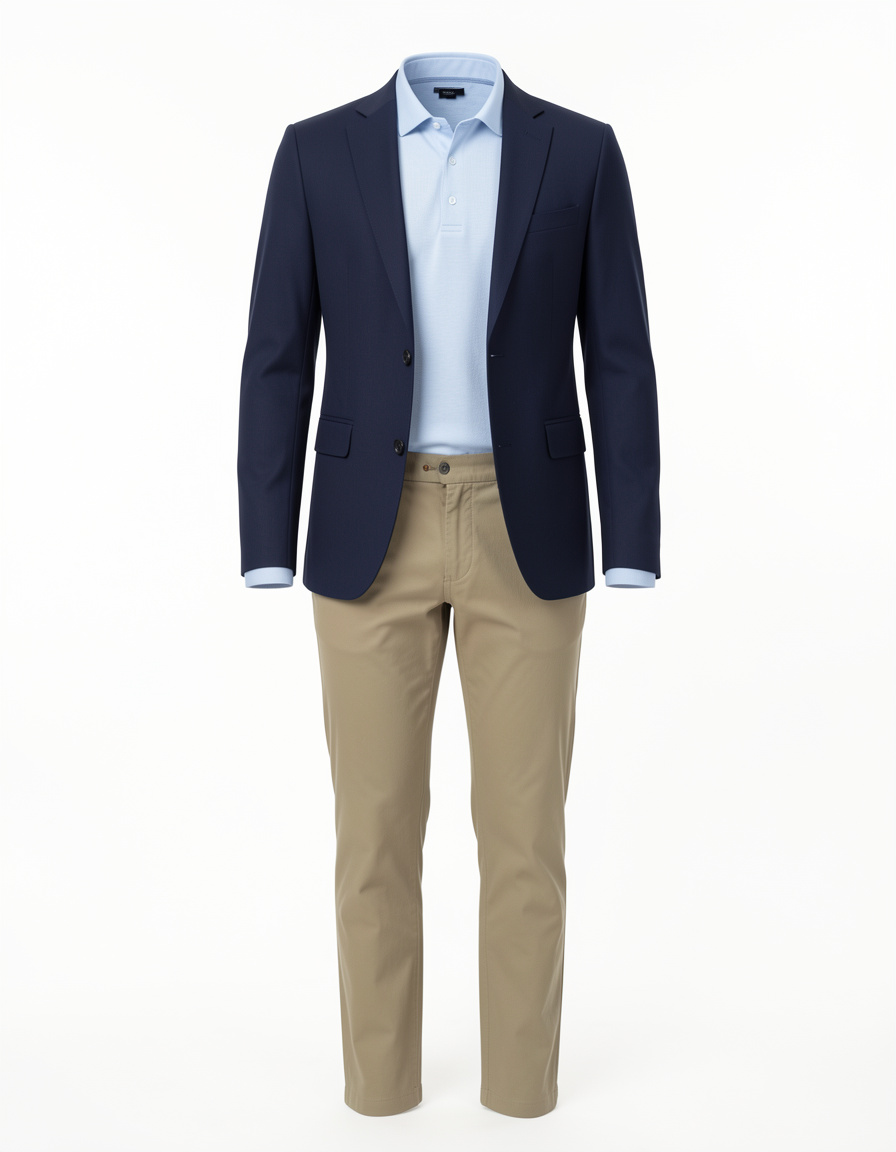
- Standard offices: business casual, meaning tailored trousers or chinos, a crisp shirt or fine knit, and a blazer. Tie optional.
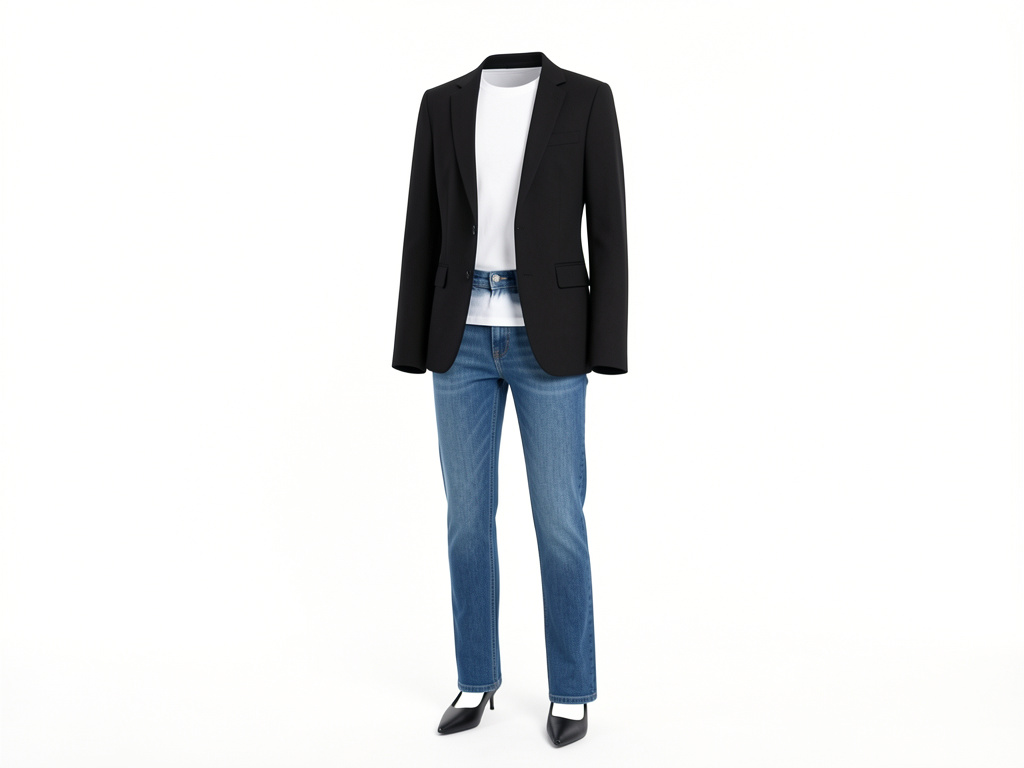
- Casual / startup: smart separates, such as dark jeans or chinos, a button-down, a blazer, and clean leather shoes.
Women
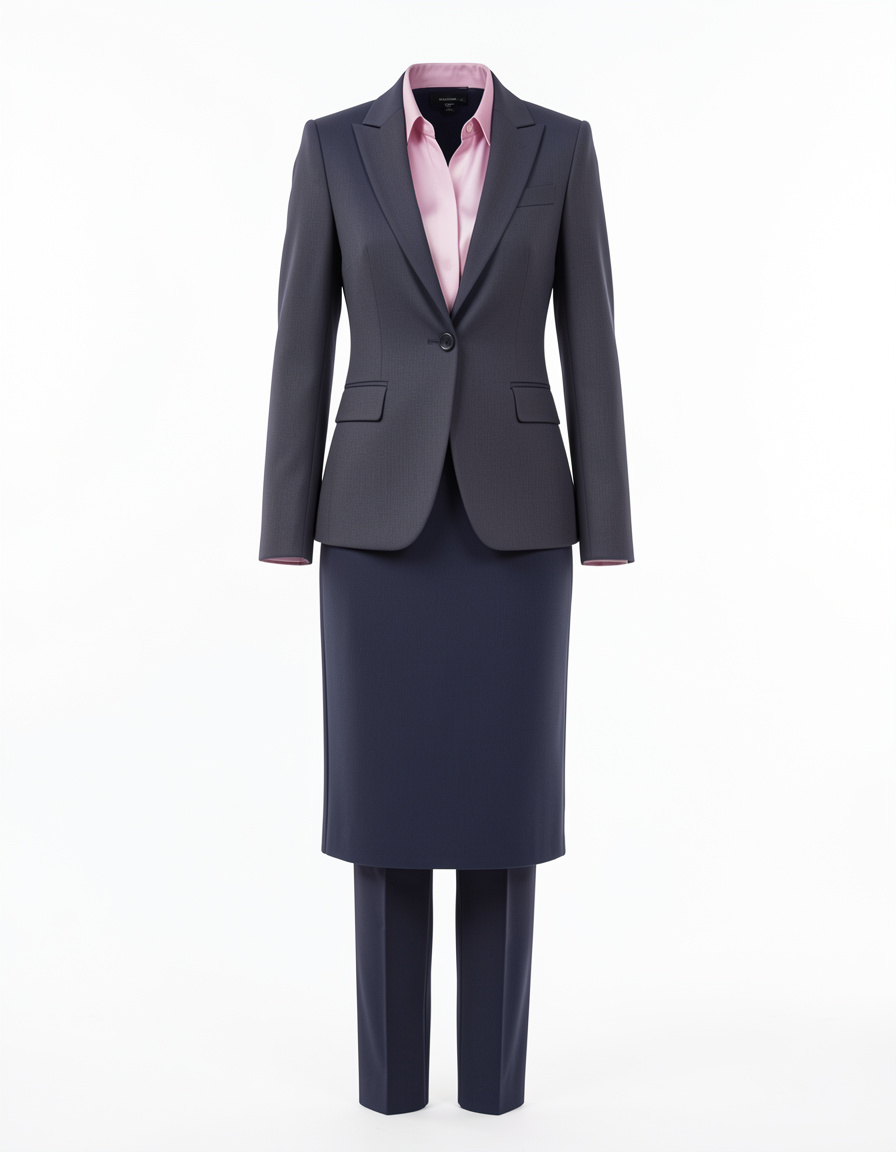
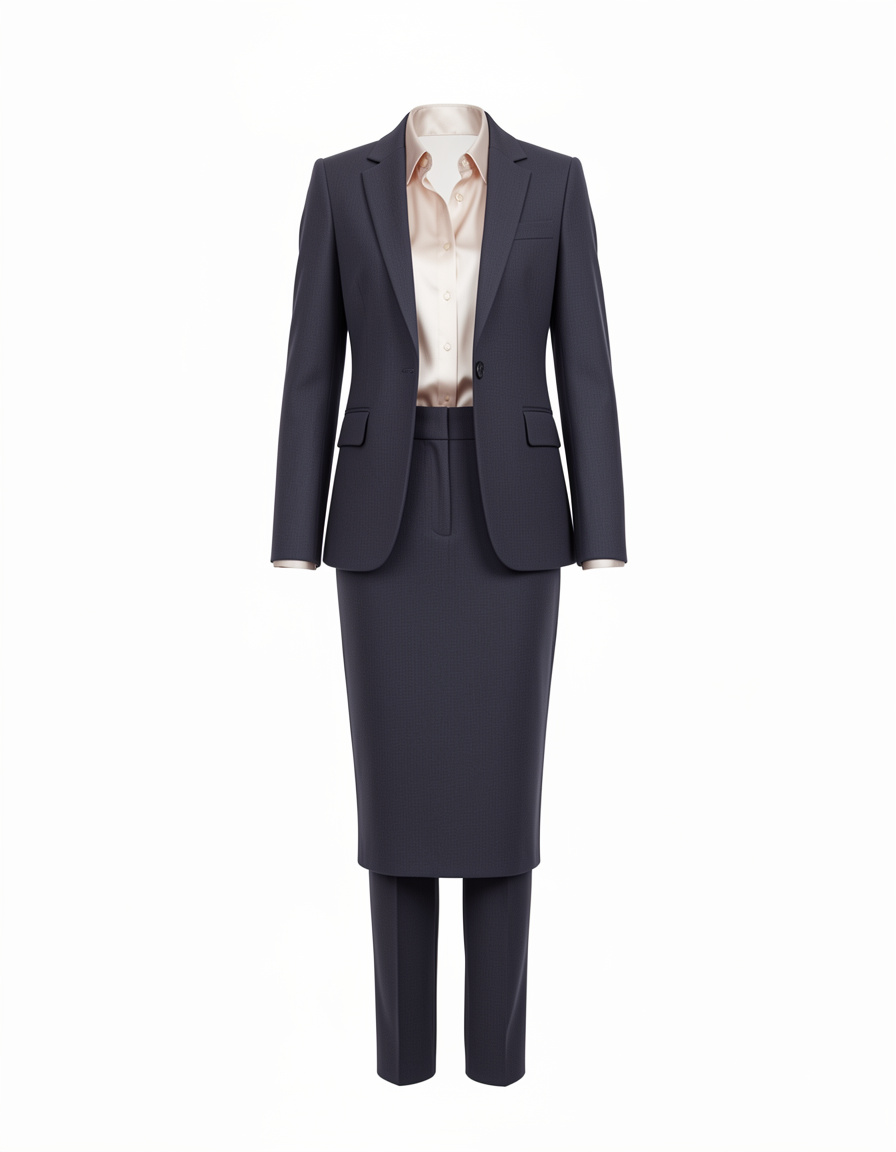
- Formal industries: a tailored suit (trousers or skirt) or a sharp blazer over a blouse, with simple closed heels or flats.
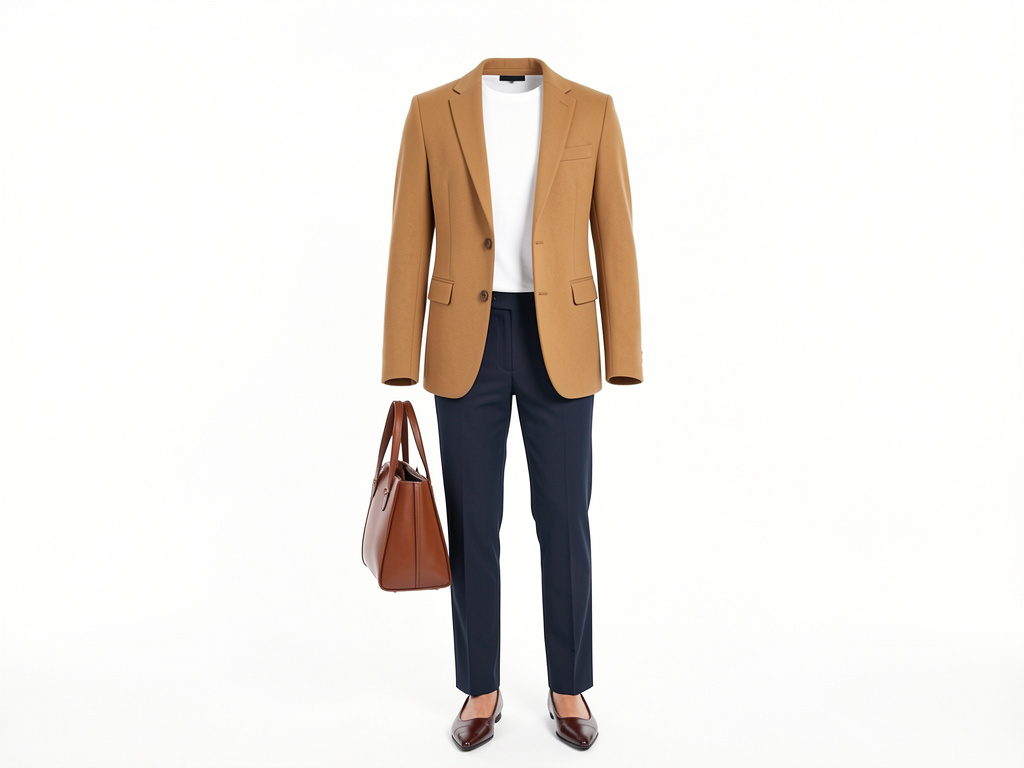
- Standard offices: a blazer with tailored trousers or a smart dress; understated jewellery.
- Casual / startup: elevated smart casual, such as tailored trousers or a midi dress with a blazer to anchor it.
Getting the details right
- Fit beats price. A modest suit that fits well outperforms an expensive one that doesn’t.
- Keep the palette quiet. Navy, grey, white, and one restrained accent. Save the boldest pieces for after you have the job.
- Groom to match. Clean shoes, pressed clothes, tidy hair. The small signals add up.
What to avoid
- Anything you’ll fidget with: too tight, too new, too uncomfortable to sit still in for an hour.
- Strong scent. A close-quarters interview is the wrong place for it.
- Wrinkles and scuffed shoes: the details interviewers notice without meaning to.
- Mismatching the culture. A three-piece suit at a beachwear startup can read as poorly as jeans at a law firm.
Shoes and accessories
Keep it minimal and polished: clean leather shoes that suit the formality, a simple watch, and a tidy bag or portfolio for your documents. The aim is to walk in looking like you already work there, and then let everything else be about what you say.
Should I overdress or underdress for an interview?
When in doubt, dress one notch above the role's everyday dress code. Overdressing slightly reads as taking the opportunity seriously; underdressing reads as not. The exception is a deliberately casual culture, such as a startup or creative studio, where a full suit can feel out of step. Research the company first.
What should I wear to an interview at a casual or startup company?
Smart casual, elevated. For men, tailored chinos or dark jeans with a button-down or fine knit and a blazer, plus clean leather shoes. For women, tailored trousers or a smart dress with a blazer. You still want to look considered, just not corporate. A blazer is the easiest way to look prepared in a relaxed setting.
Do interview clothes need to be a suit?
Only for traditional, formal industries such as law, finance, and consulting, where a suit is the baseline. Most modern workplaces sit at business casual, where a blazer with tailored separates is plenty. Match the formality of the people who already work there, then add a notch.
The right outfit for the occasion.
Andy scans your wardrobe and builds an outfit that nails the brief — for job interview and wherever else the day takes you.
Get Andy free